Introduction
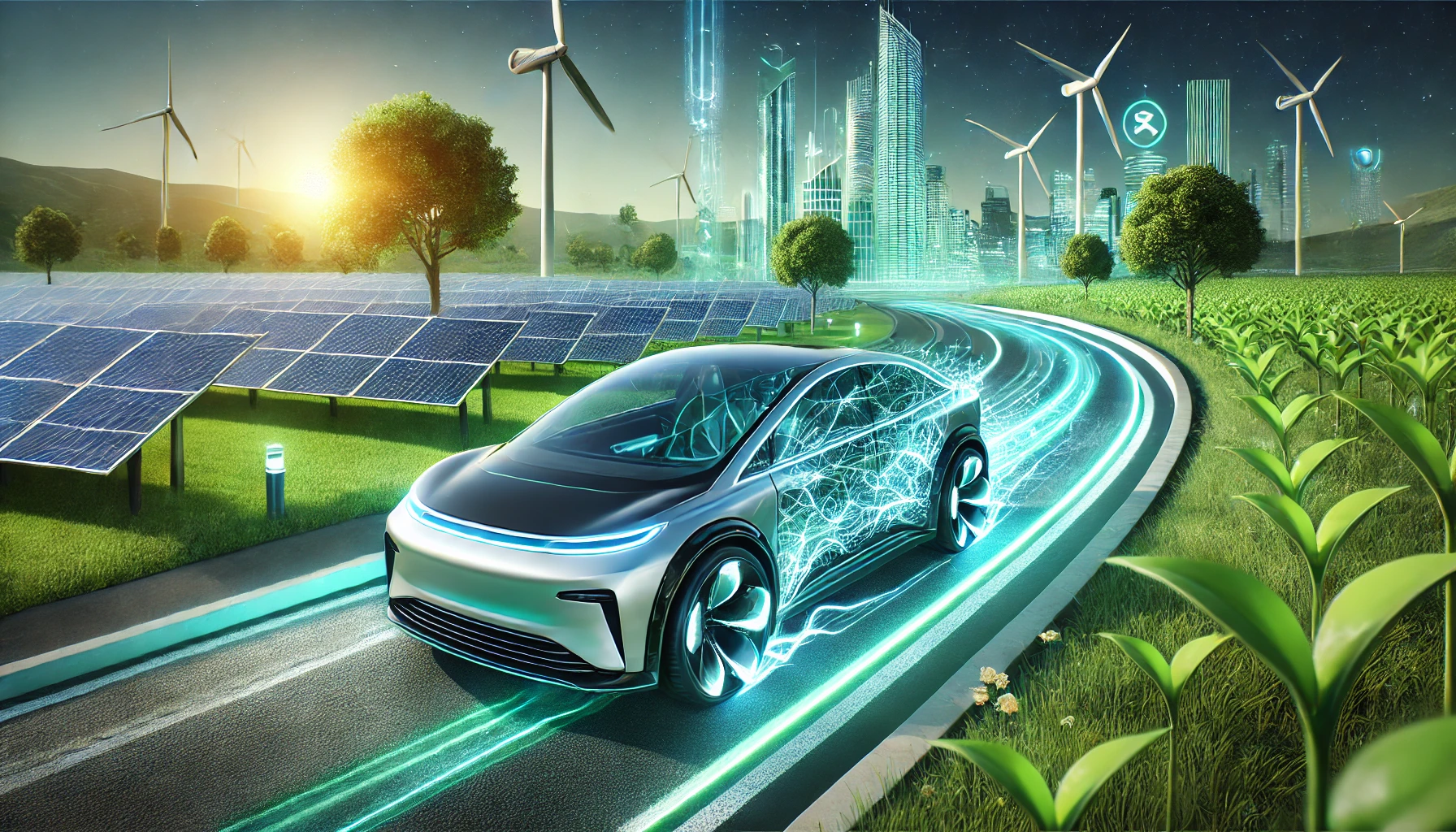
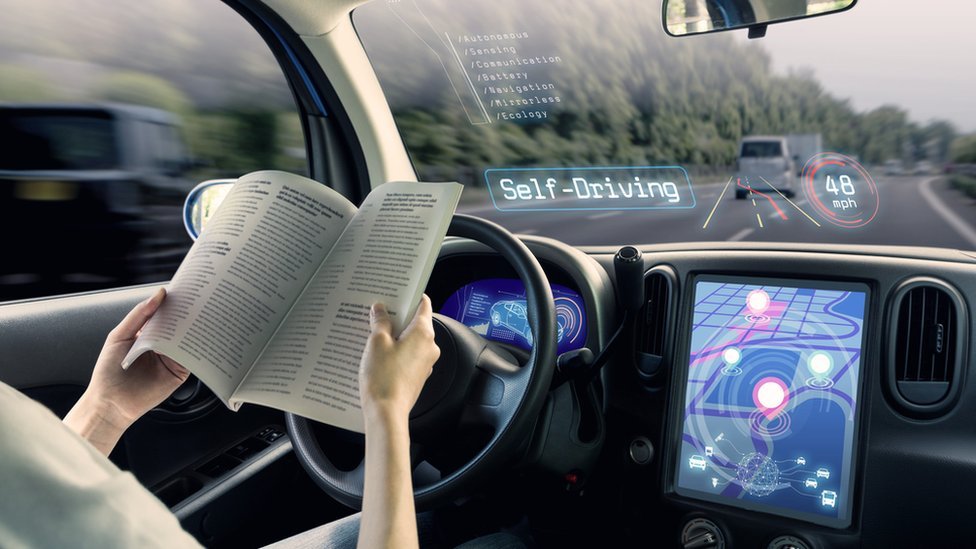
Self-driving cars are no longer a concept limited to science fiction. With rapid advancements in artificial intelligence, machine learning, and sensor technology, self-driving cars are transforming the global transportation industry. These autonomous vehicles are designed to navigate roads, detect obstacles, and make driving decisions with minimal or no human intervention. Major automakers and tech companies are investing billions to perfect this technology, signaling a future where road travel is safer, smarter, and more efficient.
The primary goal of autonomous driving technology is to reduce human error, which is responsible for most traffic accidents worldwide. By using advanced algorithms, real-time data, and intelligent systems, we promise improved safety, reduced congestion, and enhanced mobility for people of all ages and abilities. As governments begin testing regulations and infrastructure support, the adoption of autonomous vehicles is accelerating.
In this article, we will explore how work, their key features, real-world examples, benefits, challenges, and future potential. This comprehensive guide is written with SEO best practices and E-E-A-T principles to ensure trustworthiness and authority.
How Self-Driving Cars Work
Self-driving cars rely on a combination of hardware and software systems to understand and respond to their environment.
Sensors and Detection Technology
Autonomous vehicles use multiple sensors to gather data from their surroundings, including:
-
LiDAR (Light Detection and Ranging)
-
Radar systems
-
High-resolution cameras
-
Ultrasonic sensors
-
GPS and digital maps
These sensors create a 360-degree view of the environment, allowing the car to detect pedestrians, vehicles, road signs, and lane markings accurately.
Artificial Intelligence and Decision-Making
The collected data is processed by AI algorithms that analyze road conditions and make driving decisions in real time. Machine learning models help self-driving cars recognize patterns, predict movements, and respond safely. For example, if a pedestrian suddenly crosses the road, the AI system can apply brakes faster than a human driver.
Levels of Autonomous Driving
Understanding the levels of autonomy is essential when discussing self-driving cars.
SAE Autonomy Levels Explained
There are six recognized levels of vehicle autonomy:
-
Level 0 – No automation
-
Level 1 – Driver assistance
-
Level 2 – Partial automation
-
Level 3 – Conditional automation
-
Level 4 – High automation
-
Level 5 – Full automation
Most vehicles on the road today operate at Level 2, such as Tesla Autopilot and GM Super Cruise, where the driver must remain attentive.
Key Features of Self-Driving Cars
Modern self-driving cars include a wide range of advanced features designed to enhance safety and efficiency.
Autonomous Navigation and Control
Key autonomous features include:
-
Automatic lane changing
-
Traffic-aware cruise control
-
Self-parking systems
-
Obstacle avoidance
-
Traffic light recognition
These features allow vehicles to operate smoothly in both urban and highway environments.
Vehicle-to-Everything (V2X) Communication
V2X technology enables self-driving cars to communicate with:
-
Other vehicles
-
Traffic signals
-
Road infrastructure
-
Pedestrians’ devices
This communication improves traffic flow and reduces accident risks.
Real-World Examples of Self-Driving Cars
Several companies are leading the development and deployment of autonomous vehicles.
Tesla Autopilot and Full Self-Driving (FSD)
Tesla’s Full Self-Driving system uses AI and camera-based vision to navigate city streets and highways. While still requiring driver supervision, it demonstrates the potential of autonomous technology.
Waymo and Robotaxis
Waymo operates fully autonomous robotaxi services in selected cities. These vehicles function without human drivers, showcasing Level 4 autonomy in controlled environments.
Benefits of Self-Driving Cars
The rise of self-driving cars offers numerous benefits for individuals and society.
Improved Road Safety
Autonomous vehicles can:
-
Eliminate distracted driving
-
React faster than humans
-
Follow traffic rules consistently
This leads to fewer accidents and fatalities.
Increased Accessibility and Convenience
Self-driving cars provide mobility solutions for:
-
Elderly individuals
-
People with disabilities
-
Non-drivers
They also allow passengers to focus on work or relaxation during travel.
Reduced Traffic Congestion
AI-driven traffic optimization and route planning reduce congestion and fuel consumption.
Challenges and Limitations
Despite their advantages, self-driving cars face several challenges.
Technical and Environmental Issues
Autonomous systems struggle in:
-
Poor weather conditions
-
Complex urban environments
-
Unpredictable human behavior
Ensuring reliability in all scenarios remains a challenge.
Legal and Ethical Concerns
Key issues include:
-
Liability in accidents
-
Data privacy
-
Ethical decision-making in emergencies
Governments worldwide are still developing regulations to address these concerns.
The Future of Self-Driving Cars
The future of self-driving cars looks promising as technology continues to advance.
Integration with Smart Cities
Autonomous vehicles will work alongside smart infrastructure, improving traffic management and urban planning.
Full Autonomy and Mass Adoption
Experts predict Level 5 self-driving cars will become mainstream in the coming decades, revolutionizing transportation systems globally.
Conclusion
Self-driving cars represent one of the most significant technological advancements in modern transportation. By combining AI, advanced sensors, and real-time data processing, these vehicles have the potential to drastically improve road safety, efficiency, and accessibility. While challenges remain in regulation and technology, ongoing innovation continues to push autonomous driving closer to widespread adoption./