Introduction
Bikes and two-wheelers have long been a popular mode of transportation worldwide, offering affordability, agility, and fuel efficiency. From scooters and commuter motorcycles to high-performance sport bikes and cruisers, two-wheelers serve diverse purposes, including daily commuting, long-distance touring, and recreational riding.
The modern two-wheeler market is evolving rapidly, integrating advanced technologies such as fuel injection, electric propulsion, smart displays, GPS navigation, and safety features. Understanding the types, benefits, technologies, and trends in bikes and two-wheelers is crucial for riders, enthusiasts, and potential buyers who want the best combination of performance, comfort, and style.
This article explores different types of two-wheelers, engine specifications, safety features, modern technologies, and future trends, while maintaining SEO optimization and E-E-A-T principles.
Types of Bikes & Two-Wheelers
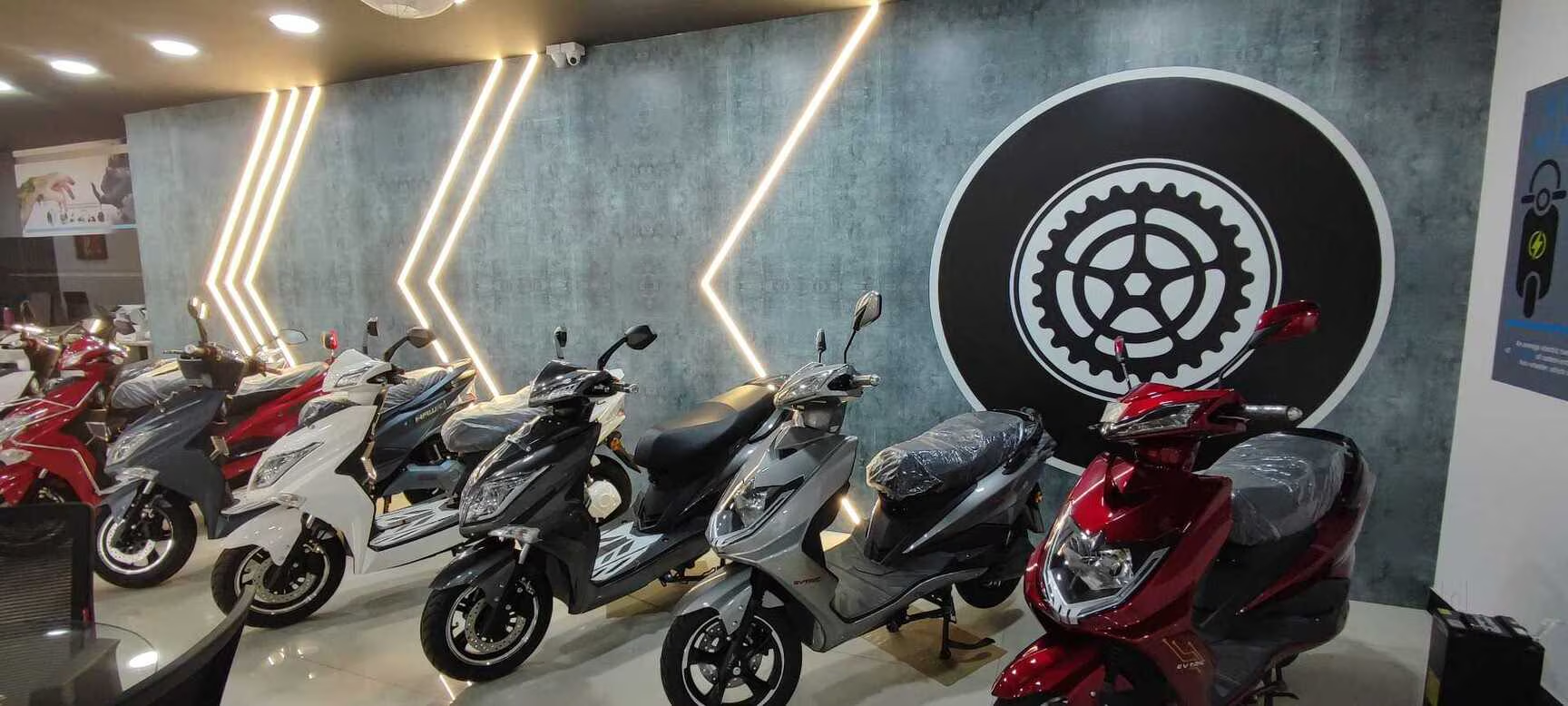
Commuter Motorcycles
-
Purpose: Daily city travel and short-distance commuting
-
Features: Fuel-efficient engines (100–150cc), lightweight, easy handling
-
Examples: Honda CB Shine, Yamaha FZ series, Bajaj Pulsar 125
Scooters
-
Purpose: Convenient, low-maintenance urban mobility
-
Features: Automatic transmission, step-through design, storage space
-
Examples: Honda Activa, TVS Jupiter, Suzuki Access
Cruiser Bikes
-
Purpose: Long-distance comfort and stylish riding
-
Features: V-twin or parallel-twin engines, relaxed seating position, high torque
-
Examples: Royal Enfield Classic 350, Harley-Davidson Street 750
Sport Bikes
-
Purpose: High-speed performance, agility, and racing
-
Features: High-displacement engines (600cc+), aerodynamic design, advanced suspension
-
Examples: Kawasaki Ninja 1000, Yamaha R6, Suzuki GSX-R
Adventure & Touring Bikes
-
Purpose: Off-road capability and long-distance travel
-
Features: Multi-cylinder engines, high fuel capacity, rugged suspension
-
Examples: BMW GS series, Triumph Tiger, KTM Adventure
Engine Types and Specifications
Single-Cylinder Engines
-
Lightweight and fuel-efficient
-
Suitable for commuters and entry-level bikes
Multi-Cylinder Engines
-
Provide smoother performance and higher top speeds
-
Ideal for cruisers, sport bikes, and touring motorcycles
Electric Two-Wheelers
-
Zero emissions and instant torque
-
Increasing popularity in urban commuting
-
Examples: Ather 450X, Ola S1, Bajaj Chetak Electric
Fuel Injection vs Carburetor
-
Fuel Injection: Precise fuel delivery, better efficiency, meets emission standards
-
Carburetor: Simpler design, easier maintenance, more affordable
Safety Features in Modern Two-Wheelers
Anti-lock Braking System (ABS)
-
Prevents wheel lockup during emergency braking
-
Reduces the risk of accidents
Traction Control
-
Prevents wheel slip during acceleration
-
Ensures stability on wet or slippery roads
Smart Helmets and Accessories
-
Bluetooth-enabled helmets for calls and navigation
-
GPS trackers for theft protection
LED Lights and Indicators
-
Enhance visibility in low-light conditions
-
Improve safety during night rides
Modern Technologies in Bikes & Two-Wheelers
Smart Displays
-
Digital dashboards for speed, fuel, and navigation
-
Integration with smartphone apps and GPS
GPS Navigation
-
Real-time traffic updates and route optimization
-
Location tracking for electric vehicles and fleet management
AI-Powered Features
-
Rider assist systems for collision avoidance
-
Predictive maintenance alerts and engine diagnostics
Connected Two-Wheelers
-
IoT-enabled vehicles communicate with apps and cloud services
-
Enables remote monitoring, theft tracking, and performance analytics
Real-World Applications
Urban Commuting
-
Scooters and commuter motorcycles dominate city traffic
-
Offer maneuverability, parking convenience, and fuel efficiency
Long-Distance Travel
-
Touring and adventure bikes provide comfort, luggage capacity, and stability
-
Suitable for highway rides and off-road exploration
Commercial Use
-
Two-wheelers are widely used for delivery services, ride-sharing, and courier operations
-
Fleet management leverages GPS and connected devices for efficiency
Benefits of Bikes & Two-Wheelers
Affordability
-
Lower purchase cost and maintenance compared to cars
-
Fuel-efficient engines reduce running expenses
Convenience
-
Easy navigation in congested traffic
-
Simple parking in urban areas
Environmental Impact
-
Electric two-wheelers reduce emissions and pollution
-
Efficient fuel usage in petrol-powered bikes
Performance and Versatility
-
Wide range of engine options for city commuting, touring, or sports
-
Adaptable to different terrains and weather conditions
Considerations When Choosing a Two-Wheeler
-
Engine Capacity: Based on purpose—commuting, touring, or sports
-
Fuel Type: Petrol or electric, considering running costs and environmental impact
-
Safety Features: ABS, traction control, lighting, and protective gear
-
Comfort and Design: Seat ergonomics, suspension, and storage options
-
Maintenance: Service availability, parts cost, and reliability
Future Trends in Bikes & Two-Wheelers
Electric Mobility
-
Rising adoption of electric scooters and motorcycles
-
Infrastructure development like charging stations and battery swapping
AI and Smart Riding
-
AI-driven predictive safety and navigation features
-
Rider assistance systems for safer commuting
Lightweight Materials
-
Use of alloys and composites for improved fuel efficiency and handling
-
Better durability and ride quality
Connected Two-Wheelers
-
IoT-enabled bikes for real-time tracking, diagnostics, and performance analytics
-
Integration with smart city infrastructure
Conclusion
Bikes and two-wheelers are a versatile, efficient, and increasingly high-tech mode of transportation. With a wide range of options from commuter motorcycles to electric scooters, sport bikes, and touring machines, riders can choose vehicles tailored to their needs and preferences.
Modern two-wheelers integrate advanced safety technology, smart displays, GPS, and AI-driven features, enhancing both convenience and security. As the industry moves toward electric mobility and connected vehicles, two-wheelers are set to become smarter, cleaner, and more adaptable than ever before. Investing in the right bike ensures performance, comfort, and safety for every journey.
FAQs About Bikes & Two-Wheelers
1. What are the most fuel-efficient two-wheelers?
Single-cylinder commuter motorcycles and electric scooters are generally the most fuel-efficient options.
2. Are electric bikes suitable for long-distance travel?
Current electric bikes are ideal for city commuting, while long-range electric motorcycles are emerging for touring purposes.
3. What safety features should I look for in a bike?
ABS, traction control, LED lights, smart helmets, and reflective accessories are essential for safe riding.
4. How do I choose the right engine size?
For city commuting, 100–150cc is sufficient; for touring or sports, 250cc and above is preferable.
5. Are connected two-wheelers worth it?
Yes, connected features like GPS tracking, theft alerts, and predictive maintenance enhance safety and convenience.
Read More: