Introduction
Advanced Driver Assistance. Road safety has become one of the most important concerns in today’s fast-moving world. With increasing traffic congestion and human error being the leading cause of accidents, technology is playing a crucial role in saving lives. One of the most impactful automotive innovations in recent years is ADAS, also known as Advanced Driver Assistance Systems. These systems are designed to support drivers by reducing risks, improving awareness, and preventing collisions.
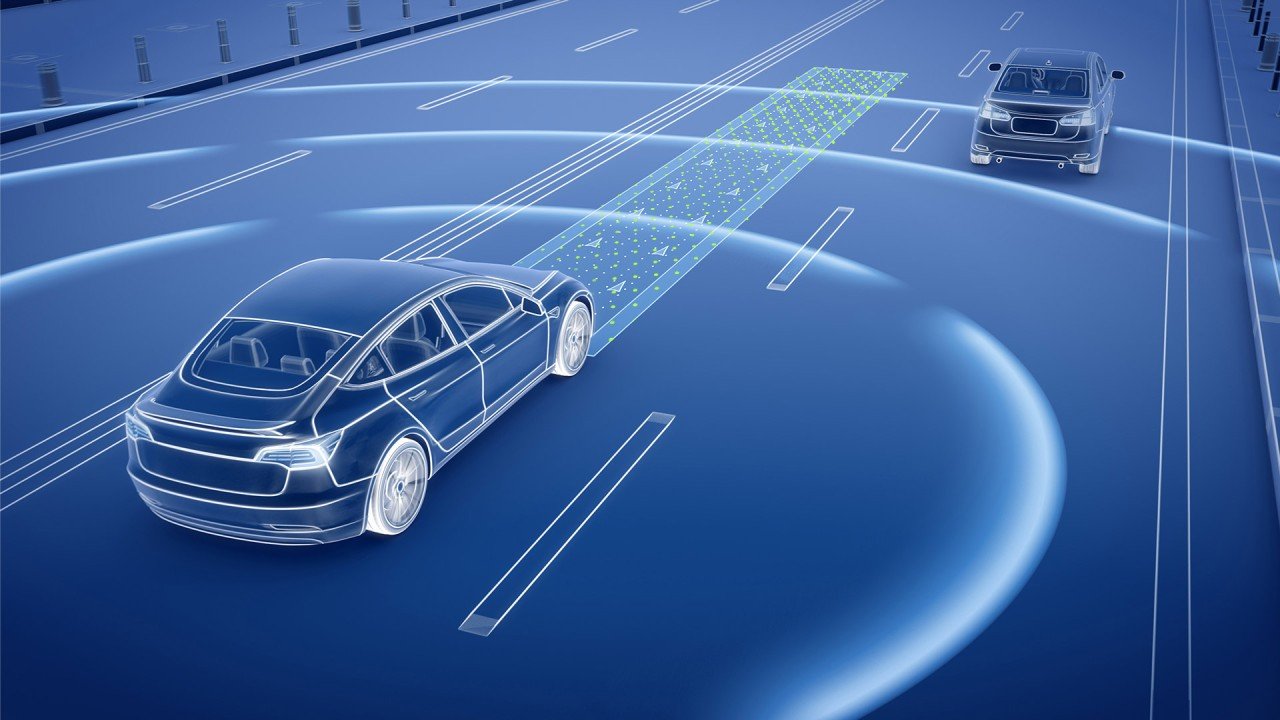
ADAS uses a combination of sensors, cameras, radar, and intelligent software to monitor the vehicle’s surroundings in real time. Instead of replacing the driver, ADAS assists them by providing alerts or taking action during critical moments. From warning drivers about lane departures to automatically applying brakes, these systems act as a safety shield on the road.
Once limited to luxury vehicles, ADAS technology is now widely available in mid-range and even budget cars. Governments and safety organizations around the world are also encouraging its adoption to reduce road fatalities. This article explores what ADAS is, how it works, its key features, real-world benefits, and why it is shaping the future of driving.
What Is ADAS?
ADAS (Advanced Driver Assistance Systems) refers to a group of electronic technologies that help drivers operate vehicles more safely. These systems are designed to detect potential hazards and either warn the driver or intervene automatically to avoid accidents.
How ADAS Works
ADAS relies on multiple technologies working together, including:
-
Cameras to recognize lanes, signs, and pedestrians
-
Radar sensors to measure distance and speed
-
Ultrasonic sensors for parking assistance
-
Electronic control units (ECUs) for decision-making
The system continuously analyzes data from these sources and reacts within milliseconds, often faster than a human driver.
Real-World Example
If a car ahead suddenly stops, forward collision warning alerts the driver, and automatic emergency braking may apply the brakes if the driver fails to react in time. This real-time response can prevent serious accidents.
Core Features of ADAS
ADAS includes several driver assistance features, each designed to address specific driving risks.
1. Lane Departure Warning
This feature alerts the driver when the vehicle unintentionally drifts out of its lane, helping prevent side-swipe accidents.
2. Adaptive Cruise Control
Adaptive cruise control automatically adjusts vehicle speed to maintain a safe distance from the car ahead.
3. Automatic Emergency Braking
This system detects imminent collisions and applies brakes automatically if the driver does not respond.
4. Blind Spot Monitoring
Blind spot monitoring warns drivers about vehicles that are not visible in side mirrors.
5. Traffic Sign Recognition
Cameras detect speed limits and road signs, displaying them to the driver for better awareness.
Benefits of ADAS in Everyday Driving
The adoption of ADAS has transformed everyday driving by making it safer and less stressful.
Key Benefits
-
Improved Road Safety: Reduces accidents caused by human error
-
Driver Support: Assists during long or tiring journeys
-
Better Awareness: Alerts drivers to hidden dangers
-
Lower Insurance Risk: Many insurers offer discounts for ADAS-equipped vehicles
Urban Driving Example
In crowded city traffic, automatic emergency braking can detect pedestrians or cyclists, preventing collisions that drivers might miss due to distractions.
-
Level 0: No automation (manual driving)
-
Level 1: Driver assistance (cruise control, lane warning)
-
Level 2: Partial automation (steering + speed control)
-
Level 3: Conditional automation (limited self-driving)
Most vehicles today operate at Level 1 or Level 2, where the driver remains fully responsible.
ADAS and Vehicle Safety Regulations
Governments worldwide are recognizing the importance of ADAS.
Regulatory Support
-
Mandatory safety features in new vehicles
-
Crash test ratings influenced by ADAS availability
-
Incentives for manufacturers adopting safety technologies
Industry Authority
Organizations such as Euro NCAP and NHTSA actively promote ADAS by rewarding vehicles that include advanced safety systems, increasing consumer trust.
Challenges and Limitations of ADAS
Despite its advantages, ADAS has some limitations that drivers must understand.
Common Challenges
-
Dependence on clear road markings
-
Reduced effectiveness in bad weather
-
Higher repair costs due to sensors
-
Over-reliance by drivers
Expert Advice
ADAS is a support system, not a replacement for attentive driving. Drivers should always remain alert and in control.
Future of ADAS Technology
The future of ADAS is closely linked to autonomous driving.
Upcoming Innovations
-
AI-based decision making
-
Vehicle-to-vehicle communication
-
Enhanced pedestrian detection
-
Integration with smart city infrastructure
As technology advances, ADAS will continue to evolve toward fully autonomous vehicles.
Conclusion
ADAS has become a cornerstone of modern vehicle safety, offering intelligent support that helps drivers avoid accidents and drive with confidence. By combining real-time data analysis, advanced sensors, and rapid response systems, ADAS significantly reduces the risks associated with human error.
As awareness grows and regulations strengthen, ADAS adoption will continue to increase across all vehicle segments. While it does not replace responsible driving, it serves as a powerful safety partner on the road. For anyone considering a new vehicle, choosing one equipped with ADAS is a smart investment in safety, technology, and peace of mind.
FAQs
1. What does ADAS stand for?
ADAS stands for Advanced Driver Assistance Systems.
2. Is ADAS available in budget cars?
Yes, many entry-level and mid-range cars now include basic ADAS features.
3. Does ADAS make cars self-driving?
No, ADAS assists drivers but does not fully automate driving.
4. Can ADAS prevent accidents?
ADAS significantly reduces accident risk but cannot prevent all accidents.
5. Is ADAS expensive to maintain?
Maintenance costs may be slightly higher due to sensors, but safety benefits outweigh the cost.