
Introduction
Electric vehicles (EVs) are transforming the transportation landscape, offering EV cars and bikes that are eco-friendly, efficient, and technologically advanced. With rising fuel prices, environmental concerns, and government incentives, electric mobility has gained immense popularity worldwide.
EVs combine zero-emission propulsion, smart technology, and sustainable design to create a cleaner, greener, and more cost-effective driving experience. From compact city electric bikes to high-performance electric cars, these vehicles cater to diverse needs while reducing the carbon footprint.
This article explores the types, benefits, technologies, and future trends of EV cars and bikes, providing insights for riders, drivers, and enthusiasts looking to adopt electric mobility.
Types of EV Cars
Battery Electric Vehicles (BEVs)
-
Fully electric vehicles powered by rechargeable batteries
-
Zero tailpipe emissions, smooth acceleration
-
Examples: Tesla Model 3, Nissan Leaf, Hyundai Kona Electric
Plug-in Hybrid Electric Vehicles (PHEVs)
-
Combine an internal combustion engine with a rechargeable battery
-
Can run on electric power for short trips and switch to petrol for longer distances
-
Examples: Toyota Prius Prime, BMW 330e
Hydrogen Fuel Cell Vehicles (FCVs)
-
Use hydrogen to generate electricity for propulsion
-
Only emit water vapor, environmentally friendly
-
Examples: Toyota Mirai, Hyundai Nexo
Types of EV Bikes
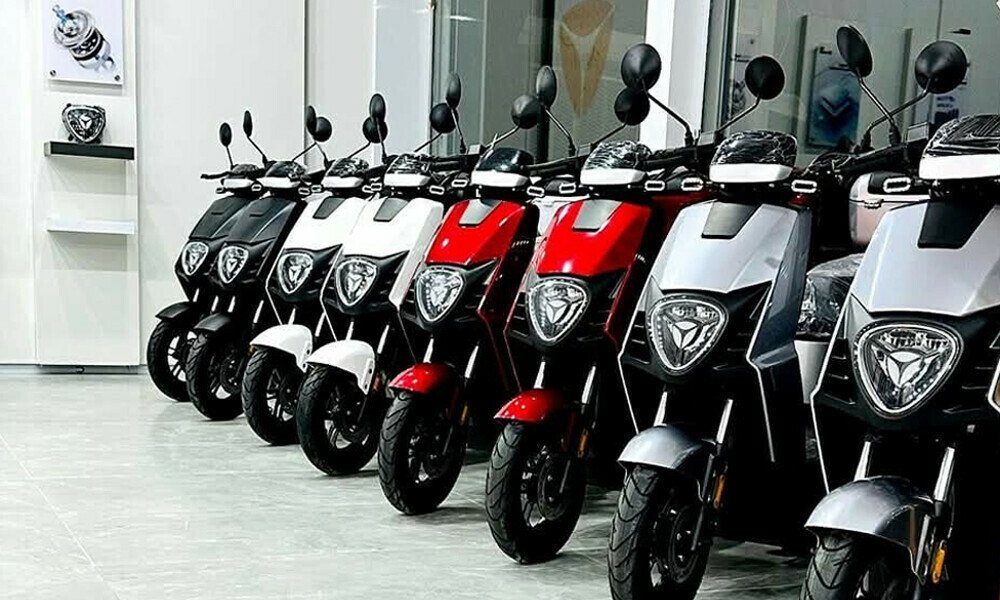
Electric Scooters
-
Lightweight and convenient for city commuting
-
Range: 60–120 km per charge
-
Examples: Ather 450X, Ola S1, Bajaj Chetak Electric
-
High-performance bikes with instant torque and long-range capabilities
-
Range: 100–300 km per charge
-
Examples: Revolt RV400, Zero SR/F, Energica Eva
-
Affordable, low-speed electric two-wheelers for short-distance travel
-
Often pedal-assisted or low-powered motors
-
Examples: Hero Optima E, Yamaha E-Vino
Key Features of EV Cars & Bikes
Battery Technology
-
Lithium-ion batteries dominate modern EVs
-
Provide long-range capability and fast charging
-
Battery management systems ensure optimal performance and longevity
Charging Infrastructure
-
AC home chargers for overnight charging
-
DC fast chargers for rapid top-up
-
Public charging networks expanding for EV adoption
Regenerative Braking
-
Converts kinetic energy into electrical energy
-
Extends battery range and reduces wear on brake components
Smart Displays and Connectivity
-
Real-time battery monitoring and range prediction
-
GPS navigation integrated with charging station locations
-
Smartphone apps for remote control and diagnostics
Benefits of EV Cars & Bikes
Environmental Advantages
-
Zero tailpipe emissions
-
Reduces air pollution and greenhouse gas emissions
-
Contributes to cleaner urban environments
Cost Efficiency
-
Lower running costs due to electricity vs. petrol/diesel
-
Reduced maintenance due to fewer moving parts
-
Government incentives and tax rebates
Performance Benefits
-
Instant torque provides smooth acceleration
-
Quiet and vibration-free operation
-
Advanced technology integration for smart mobility
Convenience and Technology
-
Mobile apps for remote charging, route planning, and diagnostics
-
Connected features improve user experience
-
Some EVs offer autonomous driving capabilities
Challenges in Adopting EVs
-
Initial Cost: EVs can be more expensive upfront than ICE vehicles
-
Charging Time: Fast charging reduces time, but infrastructure is still growing
-
Battery Lifespan: Batteries degrade over time, though most come with long warranties
-
Range Anxiety: Fear of running out of battery on long trips
Despite these challenges, technological advancements and infrastructure growth are making EVs increasingly viable for everyday use.
Real-World Applications
Urban Commuting
-
Electric scooters and bikes dominate city traffic
-
Ideal for short trips with lower energy consumption
Long-Distance Travel
-
Electric cars with high-capacity batteries provide highway mobility
-
Charging stations along major routes ensure convenience
Fleet Operations
-
Ride-sharing and delivery services increasingly adopt EVs
-
Reduces fuel costs and environmental impact for businesses
Eco-Friendly Mobility
-
EVs are suitable for environmentally conscious consumers
-
Government incentives encourage EV adoption in cities
Future Trends in EV Cars & Bikes
Solid-State Batteries
-
Higher energy density and faster charging
-
Longer lifespan and improved safety compared to lithium-ion batteries
AI and Smart Energy Management
-
Predictive analytics optimize battery usage
-
Intelligent route planning and regenerative braking management
Vehicle-to-Grid (V2G) Technology
-
EVs can supply energy back to the grid
-
Supports renewable energy integration and smart cities
Autonomous Electric Vehicles
-
Electric cars integrated with autonomous driving technology
-
Reduces human error and enhances safety
Lightweight Materials and Aerodynamics
-
Carbon fiber and alloys reduce weight and improve efficiency
-
Streamlined designs increase range and performance
Conclusion
EV cars and bikes are transforming the automotive and two-wheeler industry, offering sustainable, efficient, and technologically advanced mobility solutions. From urban commuters to high-performance electric motorcycles and cars, EVs provide eco-friendly alternatives while integrating smart technology for a superior driving experience.
As battery technology, charging infrastructure, and AI-powered features continue to evolve, electric mobility will become more accessible, efficient, and convenient for everyone. Adopting EVs today not only reduces environmental impact but also prepares riders and drivers for the future of sustainable transportation.
FAQs About EV Cars & Bikes
1. How long does it take to charge an EV car?
AC home charging typically takes 6–12 hours, while DC fast chargers can provide 80% charge in 30–60 minutes.
2. Are electric bikes suitable for long distances?
Yes, high-performance electric motorcycles can travel 150–300 km per charge, depending on the model and battery capacity.
3. What is regenerative braking?
It recovers energy during braking and converts it back into battery power, extending range.
4. Are EVs more expensive than petrol vehicles?
EVs have higher upfront costs but lower running and maintenance expenses, making them cost-effective over time.
5. Can EVs replace traditional vehicles completely?
With growing battery technology and charging infrastructure, EVs are poised to replace conventional vehicles gradually, especially in urban areas.