
Introduction
Modern automobiles are no longer just about speed and style—they prioritize safety technology to protect drivers, passengers, and pedestrians. From airbags and seatbelts to advanced driver-assistance systems (ADAS) and AI-powered collision prevention, automotive safety tech has evolved to dramatically reduce accidents and fatalities on the road.
As vehicles become smarter and more connected, safety features are increasingly integrated with AI, sensors, and real-time monitoring systems. These technologies not only prevent accidents but also provide valuable data to improve driving habits, insurance processes, and vehicle design.
This article explores the latest innovations in safety technology in automobiles, real-world applications, benefits, and future trends, following SEO best practices and E-E-A-T principles.
Core Safety Technologies in Vehicles
Airbags and Seatbelts
-
Airbags: Deploy instantly in a collision to reduce impact injuries
-
Seatbelts: Equipped with pre-tensioners and load limiters for maximum protection
-
Side-Impact Protection: Includes curtain airbags and reinforced doors
Anti-lock Braking System (ABS)
-
Prevents wheel lockup during emergency braking
-
Maintains steering control
-
Works with electronic brake-force distribution (EBD) for optimal braking
Electronic Stability Control (ESC)
-
Helps prevent skidding or loss of control
-
Monitors vehicle dynamics using sensors
-
Reduces accident risk in adverse weather or sharp turns
Advanced Driver-Assistance Systems (ADAS)
Adaptive Cruise Control (ACC)
-
Maintains a safe distance from vehicles ahead
-
Automatically adjusts speed based on traffic conditions
-
Reduces driver fatigue on long trips
Lane Departure Warning and Lane Keeping Assist
-
Alerts drivers when the vehicle drifts out of its lane
-
Lane keeping assist gently corrects steering
-
Prevents side collisions and run-off-road accidents
Forward Collision Warning and Automatic Emergency Braking
-
Detects imminent collisions with vehicles or pedestrians
-
Warns the driver and applies brakes automatically if necessary
-
AI-powered systems enhance reaction time beyond human limits
Blind Spot Monitoring
-
Detects vehicles in adjacent lanes
-
Alerts drivers with visual or audible signals
-
Reduces lane-change accidents
Connectivity and AI in Safety Technology
AI-Powered Dash Cams
-
Monitor driver behavior for fatigue and distraction
-
Record real-time footage in case of accidents
-
Some systems alert drivers before potential collisions
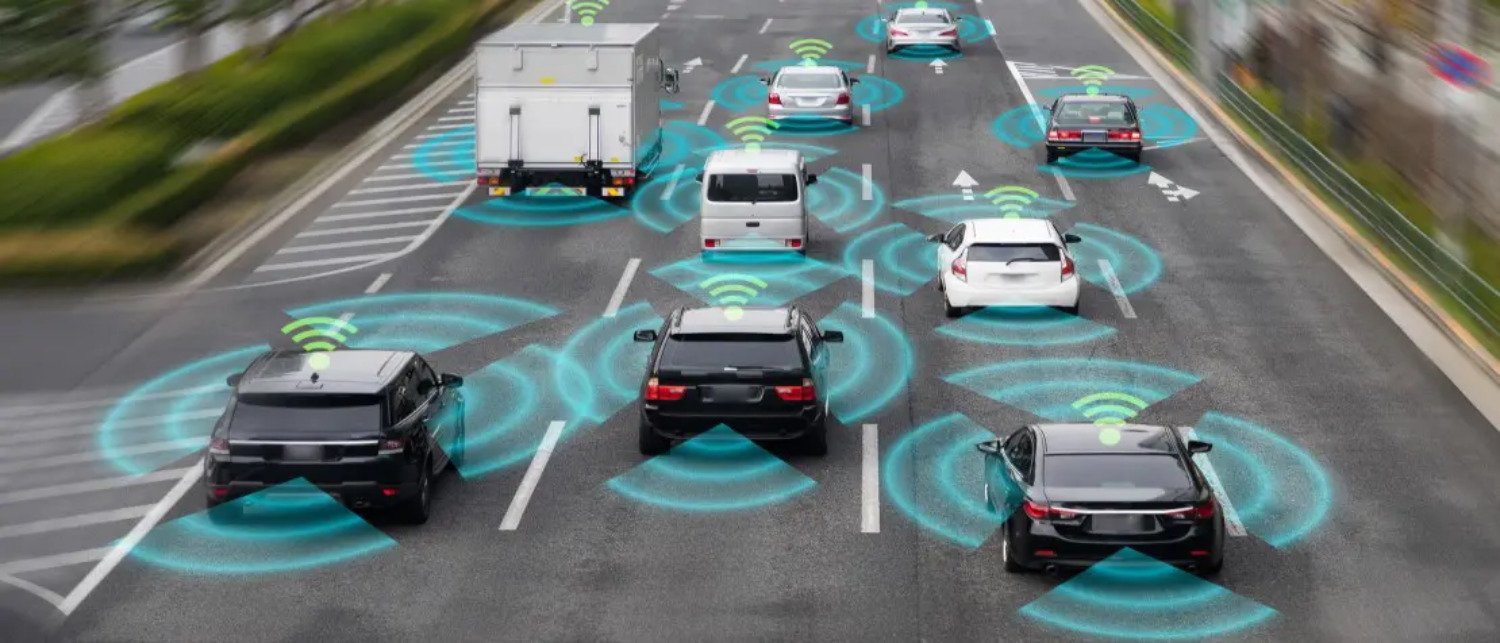
Vehicle-to-Everything (V2X) Communication
-
Cars communicate with other vehicles, traffic signals, and infrastructure
-
Enables predictive collision avoidance
-
Supports future autonomous driving systems
Smart Sensors and Cameras
-
Surround-view cameras for parking and low-speed maneuvers
-
Radar and LiDAR systems for object detection
-
Night vision cameras for improved visibility in low-light conditions
Real-World Applications of Automotive Safety Technology
Personal Vehicles
-
Tesla, Mercedes-Benz, and Volvo use advanced ADAS features to reduce accidents
-
Airbags, ESC, lane keeping, and collision avoidance are standard in many modern cars
Commercial Fleets
-
Delivery trucks and taxis use telematics and AI-powered safety systems to monitor driver performance
-
Reduces accidents, insurance claims, and operational costs
Autonomous Vehicles
-
Safety tech is critical in self-driving cars
-
AI and V2X communication help autonomous systems detect and react to hazards in real time
Benefits of Safety Technology
Accident Prevention
-
ADAS, AI alerts, and smart sensors prevent collisions
-
Reduces fatalities and injuries
Insurance and Cost Savings
-
Dash cams and accident prevention tech lower insurance premiums
-
Real-time monitoring reduces repair and legal costs
Peace of Mind
-
Drivers feel safer with lane assistance, adaptive cruise control, and emergency braking
-
Families and passengers benefit from improved overall protection
Enhanced Driving Skills
-
Feedback from safety systems encourages responsible driving
-
Reduces risky behaviors like speeding or distracted driving
Challenges and Considerations
-
Cost: Advanced safety systems may increase vehicle prices
-
Complexity: Drivers need training to use features effectively
-
Reliability: Sensors and cameras must be maintained and kept clean
-
Cybersecurity: Connected vehicles can be vulnerable to hacking
Despite these challenges, safety technology continues to evolve, making modern vehicles significantly safer than previous generations.
Future of Automotive Safety Technology
AI-Driven Predictive Safety
-
AI analyzes real-time driving patterns and predicts potential hazards
-
Provides warnings before accidents occur
Integration with Autonomous Vehicles
-
Safety systems form the backbone of self-driving technology
-
Full autonomy relies on advanced collision avoidance, V2X communication, and real-time sensor data
Smart Infrastructure and Connected Roads
-
Vehicles will communicate with traffic lights, road sensors, and smart city infrastructure
-
Enhances traffic flow and accident prevention
Wearable and Biometric Safety
-
Seatbelt sensors and wearable devices monitor driver health
-
Alerts for drowsiness, heart rate anomalies, or impaired driving
Conclusion
Safety technology in automobiles has evolved far beyond airbags and seatbelts, incorporating AI, smart sensors, and advanced driver-assistance systems to reduce accidents and save lives. From personal vehicles to commercial fleets and autonomous cars, these innovations enhance safety, convenience, and confidence on the road.
As technology advances, automotive safety will continue to improve through predictive analytics, connected infrastructure, and intelligent systems, creating a safer, smarter, and more secure driving experience for all.
FAQs About Automotive Safety Technology
1. What is ADAS in cars?
ADAS (Advanced Driver-Assistance Systems) include features like lane keeping, adaptive cruise control, and collision avoidance.
2. How do blind spot monitoring systems work?
Sensors detect vehicles in adjacent lanes and alert the driver via visual or audible signals.
3. Can AI prevent accidents?
AI-powered systems analyze road conditions, driver behavior, and potential hazards to reduce accident risk.
4. Are safety technologies standard in all cars?
Most modern cars include basic safety features, but advanced ADAS may be available only in higher trims.
5. How does V2X communication improve safety?
Vehicles communicate with other cars and infrastructure to anticipate hazards and prevent collisions.