
Introduction
In recent years, dash cams have become an essential accessory for modern drivers, offering enhanced safety, security, and peace of mind. These compact cameras record everything that happens on the road, providing indisputable evidence in case of accidents, theft, or disputes. As automotive technology evolves, dash cams are increasingly integrated with smart features like GPS, AI, and cloud storage, making them indispensable for both everyday driving and professional use.
For drivers, fleet managers, and insurance companies, serve multiple purposes: documenting incidents, improving driving habits, and even assisting in legal proceedings. Understanding the benefits, features, and trends in dash cam technology helps consumers make informed decisions and maximize the value of their investment.
This article explores the latest advancements in, their real-world applications, features, benefits, and considerations, while adhering to SEO best practices and E-E-A-T principles.
What Are Dash Cams?
Definition and Purpose
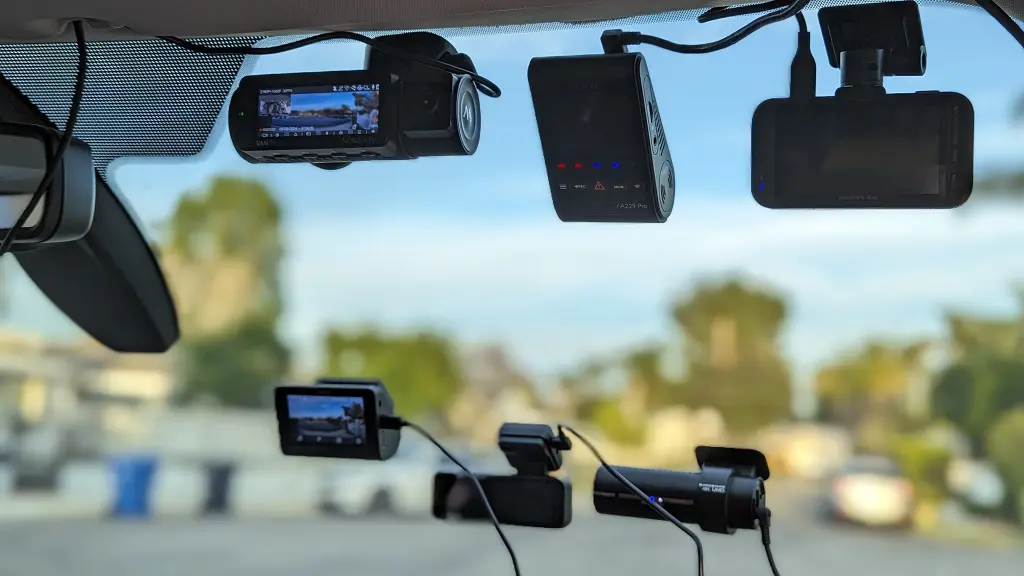
A dash cam, short for dashboard camera, is a small device mounted on a car’s windshield or dashboard to record video and audio while driving. Key purposes include:
-
Capturing accidents and collisions
-
Recording unusual road events
-
Providing evidence for insurance claims
-
Monitoring driving behavior
High-Definition Recording
Modern dash cams offer:
-
1080p Full HD or 4K recording
-
Wide-angle lenses covering multiple lanes
-
Night vision capabilities for low-light conditions
These features ensure clear footage that can be used as legal evidence or for insurance purposes.
GPS and Tracking
Many dash cams include GPS modules to:
-
Record location, speed, and route
-
Provide geo-tagged video evidence
-
Assist fleet managers in tracking vehicle movements
For example, Garmin and Nextbase dash cams integrate GPS data directly into recorded videos, making it easier to verify incidents.
AI and Advanced Safety Features
Some dash cams use AI technology to enhance driving safety:
-
Forward Collision Warning (FCW)
-
Lane Departure Warning (LDW)
-
Driver fatigue monitoring
These features not only record incidents but actively prevent accidents by alerting the driver in real time.
Cloud Storage and Connectivity
Smart dash cams can store footage in the cloud, allowing:
-
Remote access via smartphones or computers
-
Automatic backup to prevent data loss
-
Easy sharing of footage with insurance companies or authorities
Brands like BlackVue and Thinkware offer cloud-connected dash cams with real-time notifications for incidents.
Real-World Applications of Dash Cams
Accident Evidence and Insurance Claims
Dash cams are most commonly used to provide clear evidence in case of accidents. Recorded footage helps:
-
Determine fault accurately
-
Reduce fraudulent claims
-
Speed up insurance processing
Fleet and Commercial Vehicle Management
Dash cams are widely used in logistics and delivery services to:
-
Monitor driver behavior
-
Improve safety compliance
-
Track vehicle routes
For example, DHL and FedEx use AI-enabled dash cams in their delivery fleets for safety and operational efficiency.
Personal Security
Dash cams also act as a deterrent against theft and vandalism. Some dash cams continue recording when the vehicle is parked, capturing potential incidents for later review.
Benefits of Using Dash Cams
Enhanced Safety
-
AI alerts reduce collision risks
-
Lane departure and forward collision warnings help prevent accidents
Legal Protection
-
Clear video evidence strengthens insurance claims and legal defense
-
Reduces disputes over accidents
Cost Savings
-
Prevents insurance fraud
-
Encourages safer driving habits, potentially lowering insurance premiums
Peace of Mind
-
Knowing that incidents are recorded adds confidence for both drivers and fleet operators
Considerations When Choosing a Dash Cam
-
Video Quality: Opt for 1080p or higher for clear evidence
-
Field of View: Wide-angle lenses capture more details
-
Storage Capacity: MicroSD card size or cloud integration
-
AI Features: Advanced safety alerts and motion detection
-
Installation: Hardwired vs. plug-and-play systems
Choosing the right dash cam ensures that it meets personal or commercial requirements while providing maximum value.
Future of Dash Cams
AI-Powered Insights
Next-generation will include:
-
Real-time traffic alerts and hazard detection
-
Predictive analysis of driver behavior
-
Integration with autonomous vehicle systems
Cloud Integration and Smart Cities
Will connect seamlessly with smart city infrastructure, allowing:
-
Automated incident reporting
-
Integration with traffic management systems
-
Enhanced urban safety monitoring
Multi-Functional Devices
Future dash cams may serve as:
-
Parking monitors
-
Driver coaching devices
-
Connected vehicle hubs for infotainment and navigation
Conclusion
Dash cams are no longer optional gadgets—they are essential tools for safety, security, and accountability on the road. With advanced features such as AI, GPS tracking, high-definition recording, and cloud storage, provide drivers and fleet operators with actionable insights and legal protection. As technology evolves, will become even more intelligent, connected, and indispensable in both personal and commercial vehicles.
Investing in a high-quality dash cam ensures that drivers can protect themselves, their vehicles, and others on the road while embracing the future of smart automotive technology.
FAQs About Dash Cams
1. What is the primary function of a dash cam?
To record video and audio while driving for safety, security, and legal evidence.
2. Can dash cams be used for insurance claims?
Yes, dash cam footage can help determine fault and expedite claims processing.
3. Do dash cams work at night?
Modern dash cams feature night vision or infrared recording for low-light conditions.
4. Are dash cams legal?
Yes, but local laws may vary regarding audio recording and windshield mounting.
5. Can dash cams record while the car is parked?
Yes, parking mode allows continuous recording to capture theft, vandalism, or collisions.