
Introduction
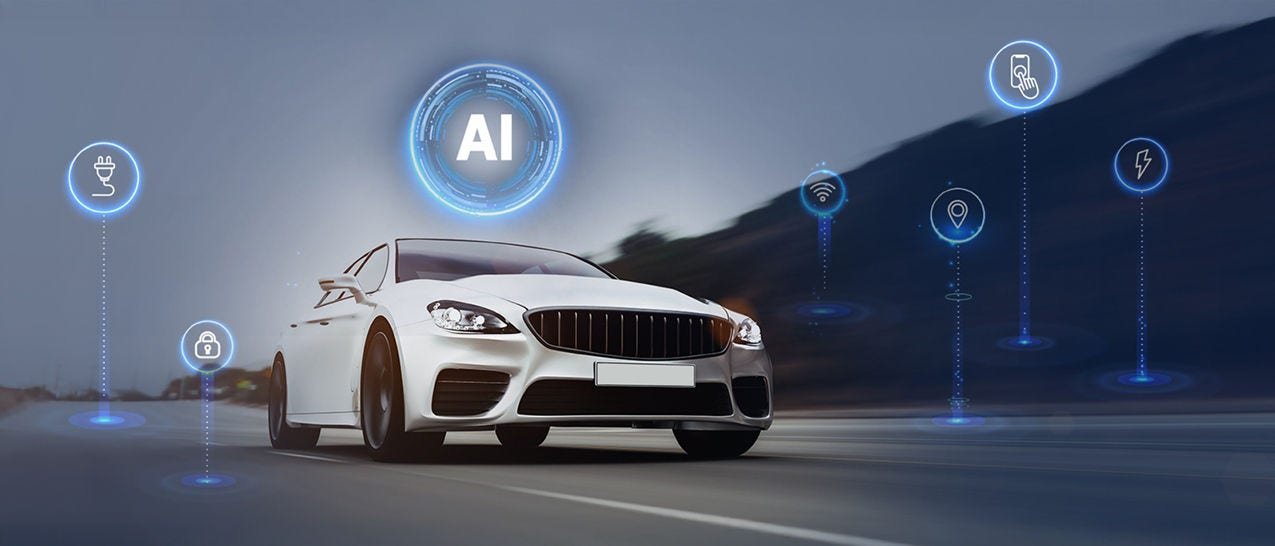
The automotive industry is entering an era of unprecedented transformation, driven by artificial intelligence (AI) and future technologies in automobiles. Today’s vehicles are no longer just mechanical machines—they are becoming smart, connected, and autonomous. AI is playing a pivotal role in redefining safety, efficiency, and the overall driving experience, while futuristic innovations promise a shift toward sustainable, fully autonomous mobility.
From self-driving cars and predictive maintenance to AI-powered infotainment systems, automakers are leveraging cutting-edge technologies to meet consumer demands and environmental goals. As the future of transportation unfolds, understanding AI and future concepts in automobiles is essential for drivers, engineers, and businesses planning to navigate this technological revolution.
This article explores the latest advancements in AI for automobiles, future automotive concepts, real-world applications, and the impact these innovations have on safety, efficiency, and sustainability.
AI in Modern Automobiles
Artificial intelligence is the brain behind next-generation vehicles, enabling smarter decision-making and automation.
Advanced Driver Assistance Systems (ADAS)
ADAS combines AI, sensors, and cameras to assist drivers in real time. Key features include:
-
Lane Departure Warning and Lane Keeping Assist
-
Adaptive Cruise Control
-
Traffic Sign Recognition
-
Automatic Emergency Braking (AEB)
For example, Tesla’s Autopilot and Mercedes-Benz Driving Assistance systems use AI to continuously monitor the road, enhancing safety and reducing driver workload.
Predictive Maintenance
AI algorithms analyze vehicle data to predict mechanical failures before they occur, reducing downtime and maintenance costs. BMW and Audi use predictive analytics to monitor engine, brake, and battery health in real time.
Smart Infotainment Systems
Modern AI-powered infotainment systems offer:
-
Voice-controlled navigation and commands
-
Personalized music recommendations
-
Real-time traffic updates
These systems improve driver convenience and engagement while ensuring minimal distraction.
Future Automotive Concepts
The future of automobiles goes beyond AI, encompassing electrification, autonomy, and connected ecosystems.
Autonomous Vehicles
Self-driving cars represent the pinnacle of AI integration. Key advancements include:
-
Level 3–5 autonomy for conditional to full self-driving
-
V2X (vehicle-to-everything) communication for safety
-
AI-based decision-making in dynamic traffic environments
Waymo and Tesla FSD are leading examples of autonomous vehicle technology in action.
Electric and Hybrid Powertrains
The push toward sustainable mobility has accelerated:
-
Electric vehicles (EVs) eliminate tailpipe emissions
-
Hybrid vehicles improve fuel efficiency and reduce carbon footprint
-
AI-based energy management optimizes battery performance and range
Companies like Tesla, Lucid Motors, and Rivian are redefining energy efficiency in automobiles.
Smart and Connected Vehicles
Connected cars communicate with infrastructure, other vehicles, and cloud-based systems to:
-
Reduce traffic congestion
-
Enhance route planning
-
Enable over-the-air software updates
This integration ensures smarter mobility and improved safety.
Robotics and AI in Manufacturing
AI isn’t just in vehicles—it’s transforming automotive production.
Robotics in Assembly Lines
AI-powered robots in modern factories:
-
Assemble complex vehicle components
-
Perform precision welding and painting
-
Ensure consistent quality and efficiency
For example, Tesla’s Gigafactory relies heavily on robotics and AI-driven automation to produce vehicles at scale.
AI for Supply Chain Optimization
Automakers use AI to optimize production schedules, predict component shortages, and reduce costs. This leads to faster vehicle delivery and improved inventory management.
Real-World Applications of AI in Automobiles
Safety Enhancements
AI systems help reduce human error—the leading cause of accidents—through:
-
Driver monitoring for drowsiness and distraction
-
Real-time hazard detection
-
Emergency intervention
Efficiency and Performance
AI improves fuel economy and electric range through predictive analytics and real-time monitoring. For instance, AI in hybrid vehicles optimizes energy flow between engines and batteries.
Personalized Driving Experience
AI tailors the driving experience based on user preferences:
-
Seat and mirror adjustments
-
Climate control settings
-
Infotainment personalization
This personalization enhances comfort and satisfaction.
Challenges in AI-Powered Automobiles
Despite its potential, AI integration in automobiles faces several hurdles.
Technical Limitations
-
Handling complex urban environments
-
Extreme weather conditions affecting sensors
-
Cybersecurity threats to connected vehicles
Regulatory and Ethical Concerns
-
Liability in AI-driven accidents
-
Ethical decision-making in emergencies
-
Data privacy and user consent
High Cost and Adoption Barriers
AI systems, autonomous technology, and EV components increase initial vehicle costs, which can limit mass adoption.
The Future Outlook
The future of automobiles is promising, as AI and emerging technologies continue to evolve.
Autonomous Mobility
Fully autonomous vehicles will redefine commuting, logistics, and personal transportation, reducing traffic accidents and congestion.
AI-Powered Smart Cities
AI-integrated vehicles will work with smart city infrastructure to optimize traffic flow, energy use, and urban planning.
Sustainable and Connected Transportation
Electric vehicles, AI-driven energy management, and connected ecosystems will make transportation more eco-friendly, efficient, and convenient.
Conclusion
AI and future concepts are reshaping the automotive landscape, creating smarter, safer, and more sustainable vehicles. From advanced driver assistance systems to fully autonomous cars and connected ecosystems, the impact of AI in automobiles is profound. While challenges remain in technology, regulation, and adoption, ongoing innovation promises a transformative future for drivers, manufacturers, and cities alike.
Embracing these advancements ensures that consumers and businesses can navigate the shift toward intelligent mobility with confidence and convenience. The future of transportation is not just electric—it’s intelligent, connected, and powered by AI.
FAQs About AI and Future in Automobiles
1. What is AI in automobiles?
AI in automobiles refers to computer systems that enhance safety, efficiency, and convenience through learning and decision-making algorithms.
2. How do autonomous vehicles work?
They rely on sensors, AI, and predictive algorithms to navigate roads without human input.
3. What are the benefits of AI in vehicles?
Benefits include improved safety, personalized driving experiences, predictive maintenance, and energy efficiency.
4. Are fully autonomous cars available today?
Level 5 fully autonomous cars are still in development, though Level 3–4 systems are already in use.
5. How does AI improve electric vehicle efficiency?
AI optimizes battery management, regenerative braking, and energy flow between electric and hybrid systems.