
Introduction
The automotive industry is evolving faster than ever, and new car features are at the center of this transformation. Modern vehicles are no longer just a means of transportation; they have become smart, connected, and highly efficient machines designed to enhance comfort, safety, and performance. From AI-powered driver assistance systems to fully digital dashboards and eco-friendly powertrains, today’s cars reflect rapid technological progress and changing consumer expectations.
Car buyers now prioritize advanced safety, connectivity, and fuel efficiency over traditional factors like engine size alone. Automakers are responding by integrating cutting-edge technologies that improve both the driving experience and environmental impact. Whether you are considering an electric vehicle, a hybrid, or a high-tech gasoline car, understanding the latest features can help you make a smarter purchasing decision.
In this article, we will explore the most important new car features, explain how they work, and provide real-world examples. We’ll also analyze future trends and how these innovations align with safety regulations and user needs. This guide follows Google SEO best practices and E-E-A-T principles, ensuring trustworthy and expert-level information.
Advanced Safety Features in New Car
Safety is one of the biggest reasons why new car features have gained importance. Modern vehicles use a combination of sensors, cameras, and artificial intelligence to reduce accidents and protect passengers.
Driver Assistance Systems (ADAS)
Advanced Driver Assistance Systems are now standard in many vehicles. These systems monitor road conditions and assist drivers in critical situations.
Common ADAS features include:
-
Automatic Emergency Braking (AEB)
-
Lane Keeping Assist
-
Blind Spot Monitoring
-
Adaptive Cruise Control
-
Traffic Sign Recognition
For example, Toyota Safety Sense and Honda Sensing packages use radar and cameras to detect obstacles and prevent collisions. These features significantly reduce accident rates, especially in urban driving conditions.
Structural Safety Improvements
Apart from electronic systems, manufacturers are improving car body structures using high-strength steel and crumple zones. Airbags are now placed strategically, including side curtain airbags and knee airbags, to provide 360-degree protection.
Smart Connectivity and Infotainment Systems
Connectivity is a defining aspect of new car features, transforming vehicles into mobile digital hubs.
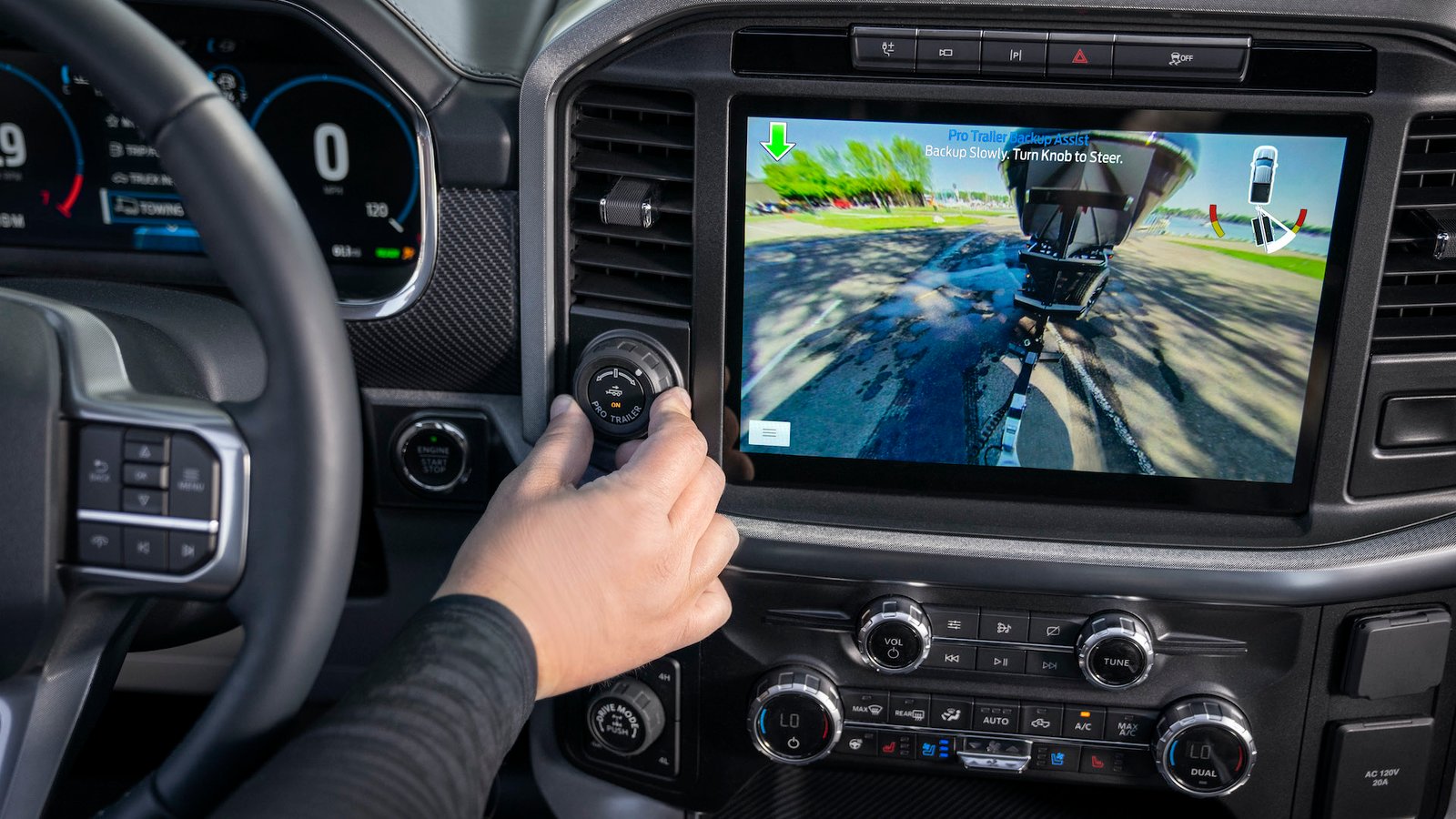
Touchscreen and Voice-Controlled Infotainment
Most modern cars now include large touchscreen displays integrated with:
-
Apple CarPlay
-
Android Auto
-
Built-in navigation
-
Voice assistants
These systems allow drivers to control music, calls, and navigation without taking their eyes off the road. Voice commands powered by AI improve safety and convenience.
Connected Car Technology
Connected cars use internet connectivity to provide real-time data such as:
-
Traffic updates
-
Weather alerts
-
Remote vehicle diagnostics
-
Over-the-air (OTA) software updates
Tesla is a real-world example where vehicles receive performance improvements and bug fixes remotely, eliminating the need for service center visits.
Electric and Hybrid Technology Innovations
One of the most revolutionary new car features is the shift toward electric and hybrid vehicles.
Improved Battery and Charging Technology
Modern EVs now offer:
-
Longer driving range
-
Faster charging times
-
Regenerative braking
For instance, new lithium-ion battery technology allows cars like the Hyundai Ioniq 5 to charge up to 80% in under 20 minutes using fast chargers.
Hybrid Powertrains for Efficiency
Hybrid cars combine electric motors with internal combustion engines to improve fuel efficiency and reduce emissions. These systems automatically switch between power sources, optimizing performance and fuel consumption.
Comfort and Interior Enhancements
Car interiors have become more luxurious and user-focused thanks to innovative new car features.
Digital Instrument Clusters
Traditional analog meters are being replaced by fully digital displays that show:
-
Speed and RPM
-
Navigation directions
-
Safety alerts
-
Driving modes
These customizable displays improve readability and driver engagement.
Climate and Seating Technology
New comfort features include:
-
Dual or tri-zone climate control
-
Ventilated and heated seats
-
Memory seating positions
-
Ambient lighting
Luxury brands like Mercedes-Benz offer customizable interior lighting that enhances mood and driving comfort.
Autonomous and AI-Based Driving Features
Artificial intelligence plays a major role in modern new car features, bringing us closer to autonomous driving.
Semi-Autonomous Driving
Many vehicles now support Level 2 autonomy, where the car can:
-
Maintain speed and distance
-
Stay centered in lanes
-
Assist in traffic jams
Tesla Autopilot and BMW Driving Assistant Plus are popular examples of this technology in action.
AI-Powered Driver Monitoring
Some cars use cameras to monitor driver attention. If the system detects drowsiness or distraction, it issues alerts to prevent accidents.
Exterior Design and Smart Lighting Systems
Exterior enhancements are not just about looks; they also improve functionality.
LED and Adaptive Headlights
Modern cars use LED, Matrix LED, or Laser headlights that:
-
Adjust brightness automatically
-
Improve nighttime visibility
-
Avoid blinding oncoming traffic
These smart lighting systems significantly enhance road safety.
Aerodynamic and Sensor-Based Design
New car designs integrate sensors seamlessly into bumpers and mirrors, improving aerodynamics and enabling advanced safety systems.
Conclusion
The evolution of new car features reflects a powerful blend of technology, safety, and sustainability. Modern vehicles are smarter, safer, and more efficient than ever before, offering features that enhance every aspect of driving—from accident prevention to digital connectivity and eco-friendly performance. Whether you are a daily commuter or a tech enthusiast, these innovations provide real value and long-term benefits.
As automotive technology continues to advance, future cars will become even more autonomous, intelligent, and environmentally responsible. Understanding these features empowers buyers to make informed decisions and embrace the future of mobility with confidence.
FAQs About New Car Features
1. What are the most important new car features today?
Advanced safety systems, infotainment connectivity, and fuel-efficient powertrains are the most important features.
2. Are new car safety features reliable?
Yes, modern safety features are tested rigorously and significantly reduce accident risks.
3. Do new car features increase vehicle cost?
Some features increase upfront cost but save money long-term through safety and efficiency.
4. Which cars have the best infotainment systems?
Tesla, BMW, Mercedes-Benz, and Hyundai offer highly advanced infotainment systems.
5. Are electric car features better than traditional cars?
Electric cars offer better efficiency, lower maintenance, and advanced digital features.
Read More: