
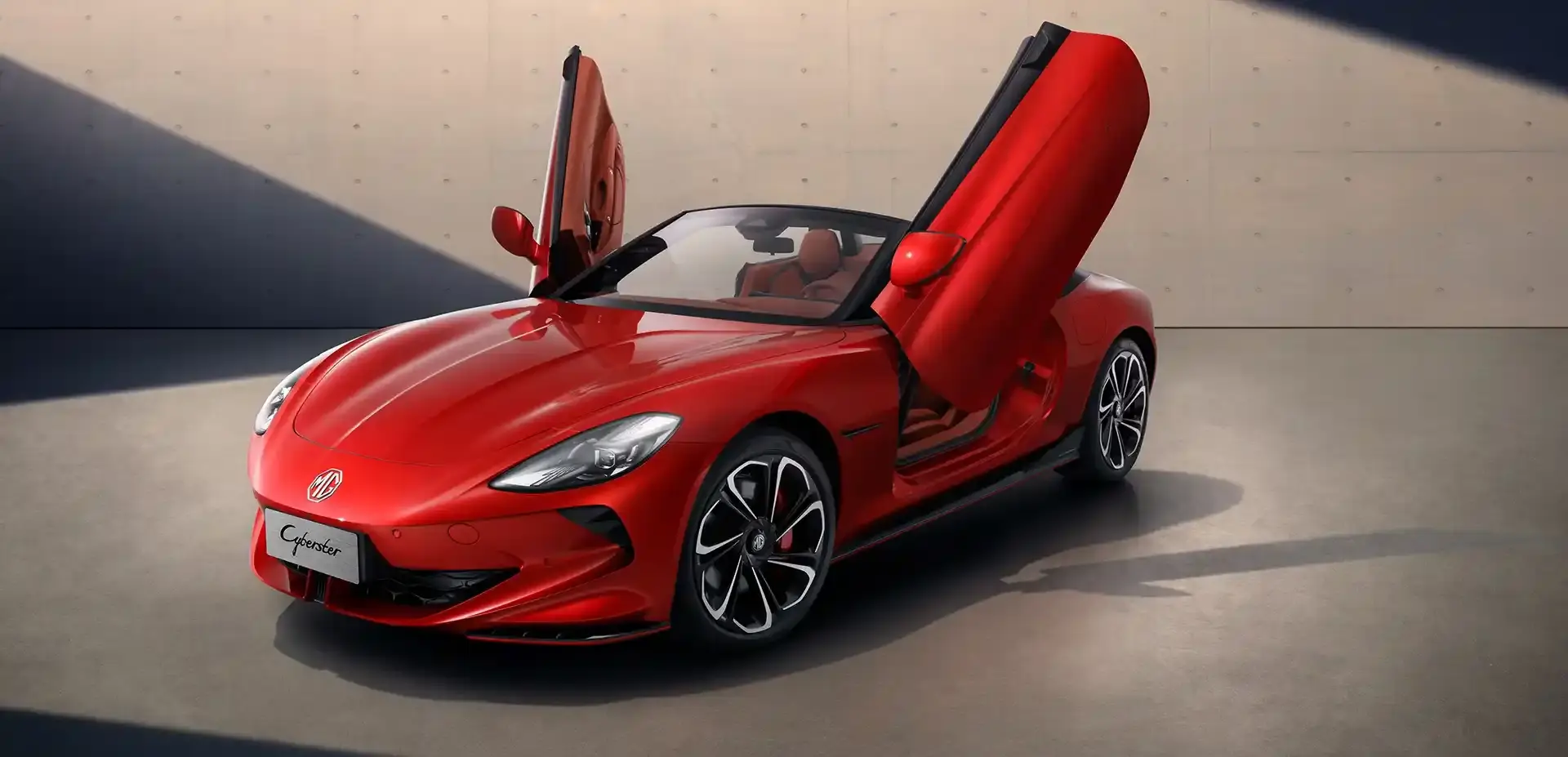
Introduction
The automotive industry has evolved rapidly over the past few decades, and one of the most significant advancements is the auto car, commonly known as an automatic car. Unlike manual vehicles that require constant gear shifting, an auto car is designed to provide a smoother, more convenient driving experience by automatically changing gears. This innovation has transformed how people drive, especially in busy urban environments where traffic congestion is a daily challenge.
Today, auto cars are no longer a luxury; they have become a practical choice for families, professionals, and even first-time drivers. With advancements in transmission technology, fuel efficiency, and safety systems, automatic vehicles are now smarter, more reliable, and more accessible than ever before. From compact hatchbacks to luxury sedans and SUVs, almost every segment offers automatic options.
This comprehensive guide explores everything you need to know about auto cars — how they work, their benefits, types of automatic transmissions, real-world usage, and tips for choosing the right one. Whether you are planning to buy your first car or upgrade to a more advanced model, understanding auto cars will help you make a confident and informed decision.
What Is an Auto Car?
An auto car is a vehicle equipped with an automatic transmission system that changes gears automatically based on speed, engine load, and driving conditions. Unlike manual cars, there is no clutch pedal, which makes driving simpler and less physically demanding.
How Automatic Transmission Works
Automatic transmission systems rely on advanced mechanical and electronic components to determine the optimal gear ratio. These systems continuously monitor driving conditions and adjust accordingly.
Key components include:
- Torque converter
- Planetary gear sets
- Hydraulic systems
- Electronic control units (ECUs)
The driver simply selects modes such as Park (P), Reverse (R), Neutral (N), or Drive (D), and the car manages the rest. This seamless operation makes auto cars ideal for beginners and city driving.
Types of Auto Car Transmissions
Modern auto cars come with different types of automatic transmissions, each offering unique advantages. Understanding these can help you choose the best option based on your driving needs.
1. Traditional Automatic Transmission (AT)
This is the most common and widely used system. It uses a torque converter and offers smooth gear shifts.
Best for:
- Daily commuting
- Comfortable driving
- Reliability
2. Continuously Variable Transmission (CVT)
CVT does not use fixed gears. Instead, it provides an infinite range of gear ratios, resulting in better fuel efficiency.
Advantages include:
- Smooth acceleration
- Improved mileage
- Reduced engine strain
- Dual-Clutch Transmission (DCT)
DCT uses two clutches to enable faster gear changes, commonly found in sports and performance cars.
Ideal for:
- High-speed driving
- Performance enthusiasts
- Quick acceleration
4. Automated Manual Transmission (AMT)
AMT is a cost-effective alternative that automates a manual gearbox.
Popular because of:
- Lower cost
- Better fuel efficieny
- Easy maintenance
Benefits of Driving an Auto Car
Choosing an auto car offers numerous benefits that make driving more enjoyable and less stressful.
Key Advantages
- Ease of Use: No clutch or manual gear shifting
- Reduced Fatigue: Ideal for long drives and traffic
- Better Safety: Allows drivers to focus on the road
- Beginner-Friendly: Perfect for new drivers
-
Real-World Example
In cities like Karachi, Lahore, or Islamabad, traffic congestion is common. Driving an auto car in stop-and-go traffic significantly reduces leg fatigue and improves overall comfort, making daily commuting more manageable.
Auto Car vs Manual Car: A Quick Comparison
| Feature | Auto Car | Manual Car |
| Ease of Driving | High | Moderate |
| Fuel Efficiency | Moderate to High | High |
| Maintenance | Slightly Higher | Lower |
| Learning Curve | Easy | Steep |
| Traffic Comfort | Excellent | Average |
While manual cars still appeal to traditional drivers, auto cars are quickly becoming the preferred choice due to convenience and modern technology.
Fuel Efficiency and Performance of Auto Cars
One common misconception is that auto cars consume more fuel. However, modern automatic vehicles are designed with fuel efficiency in mind.
Factors That Improve Efficiency
- Advanced transmission software
- Lightweight materials
- Eco-driving modes
- Engine start-stop systems
Many CVT and AMT-equipped auto cars now match or even surpass manual cars in fuel economy, especially during city driving.
Safety Features in Modern Auto Cars
Safety is a major factor influencing car-buying decisions. Auto cars often come equipped with advanced safety technologies.
Common Safety Features
- Anti-lock Braking System (ABS)
- Electronic Stability Control (ESC)
- Hill-start assist
- Adaptive cruise control
- Automatic emergency braking
These features enhance driver confidence and reduce the risk of accidents, especially for less experienced drivers.
How to Choose the Right Auto Car
Selecting the right auto car depends on your lifestyle, budget, and driving habits.
Consider These Factors
- Budget: Set a realistic price range
- Usage: City driving vs long-distance travel
- Transmission Type: AT, CVT, DCT, or AMT
- Fuel Economy: Important for daily use
- After-Sales Support: Availability of service centers
Expert Tip
If you frequently drive in heavy traffic, choose a CVT or traditional automatic for smoother performance. For budget-conscious buyers, AMT offers a great balance between cost and convenience.
Maintenance and Ownership Experience
Maintaining an auto car is straightforward if serviced regularly. While automatic transmissions may have slightly higher maintenance costs, their durability and convenience often outweigh the expense.
Maintenance Tips
- Follow manufacturer service schedules
- Use recommended transmission fluid
- Avoid aggressive driving habits
- Get software updates when available
With proper care, an auto car can remain reliable for many years.
Conclusion
The auto car has revolutionized the way people drive by combining comfort, convenience, and advanced technology. From simplifying daily commutes to enhancing road safety, automatic vehicles cater to a wide range of drivers and lifestyles. With multiple transmission options, improved fuel efficiency, and cutting-edge safety features, auto cars are no longer a compromise but a smart investment.
As the automotive industry continues to innovate, auto cars are expected to become even more efficient, affordable, and environmentally friendly. Whether you are a beginner or an experienced driver, choosing an auto car can significantly improve your driving experience and overall quality of life.
FAQs
1. What is an auto car?
An auto car is a vehicle with an automatic transmission that shifts gears without driver intervention.
2. Are auto cars good for beginners?
Yes, auto cars are ideal for beginners due to ease of driving and reduced complexity.
3. Do auto cars consume more fuel?
Modern auto cars are fuel-efficient and often comparable to manual cars.
4. Which automatic transmission is best?
CVT is best for fuel efficiency, while DCT is ideal for performance.
5. Is maintenance costly for auto cars?
Maintenance may be slightly higher than manual cars, but regular servicing keeps costs manageable.