
Introduction
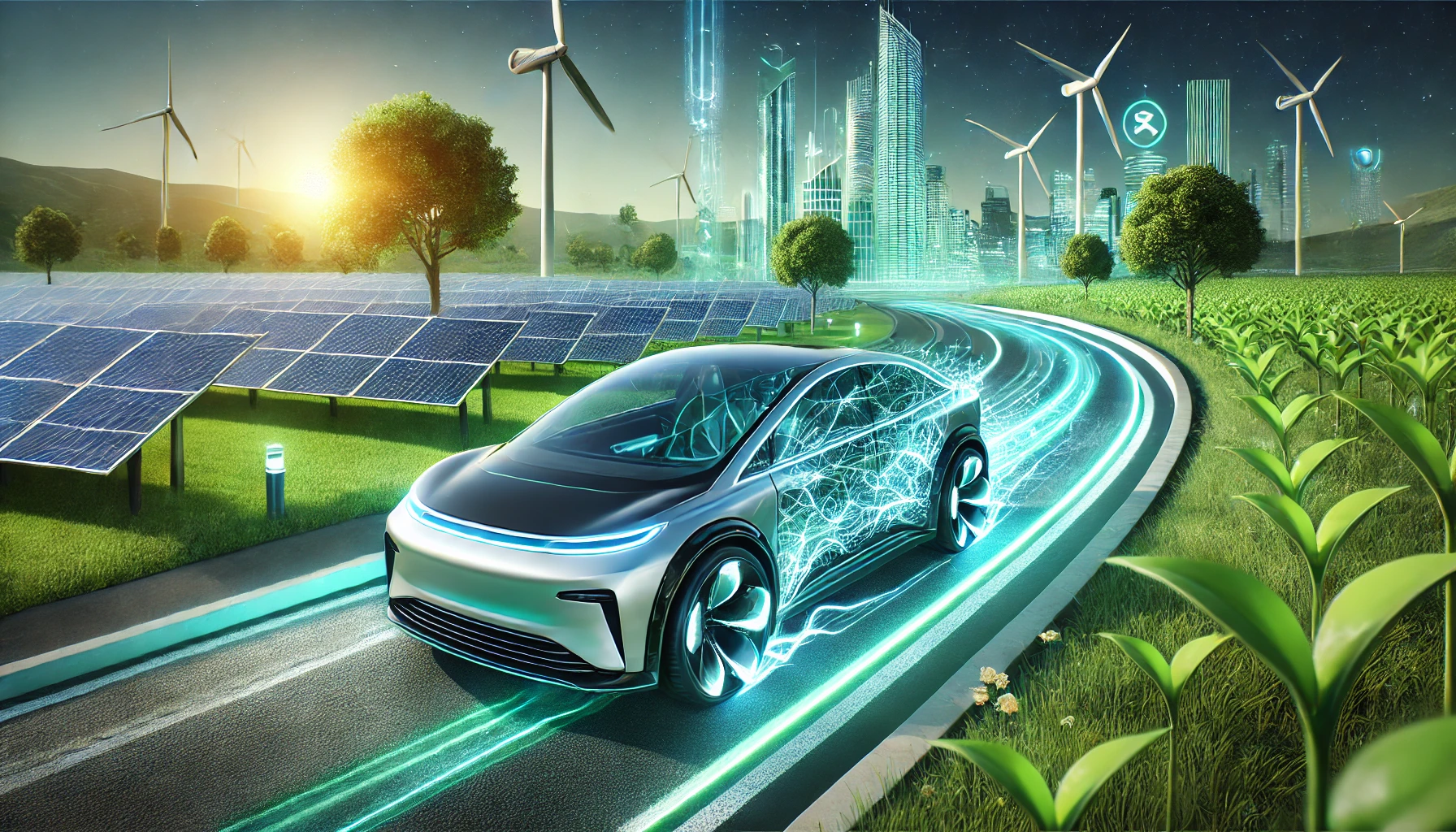
Electric Vehicles (EVs) are transforming the way people think about transportation. As concerns about climate change, fuel prices, and air pollution continue to rise, electric vehicles are becoming a practical and environmentally friendly alternative to traditional petrol and diesel cars. Governments, automobile manufacturers, and consumers around the world are rapidly adopting EV technology to reduce carbon emissions and dependence on fossil fuels.
Electric vehicles are no longer limited to luxury cars or experimental projects. Today, they include affordable cars, buses, bikes, and even trucks, making them accessible to a wider audience. With advancements in battery technology and charging infrastructure, EVs are shaping the future of mobility.
What Are Electric Vehicles?
Electric Vehicles are vehicles that run partially or entirely on electricity instead of internal combustion engines. They use electric motors powered by rechargeable batteries to operate. driving needs and charging availability.
How Electric Vehicles Work
Electric vehicles store electricity in large battery packs, usually lithium-ion based. When the driver accelerates, electricity flows from the battery to the electric motor, which powers the wheels.
Key components include:
- Battery pack
- Electric motor
- Power inverter
- Charging system
Unlike traditional vehicles, EVs have fewer moving parts, resulting in smoother performance and lower maintenance costs.
Benefits of Electric Vehicles
Electric vehicles offer numerous advantages for both individuals and the environment.
Environmental Benefits
- Zero or low carbon emissions
- Reduced air and noise pollution
- Lower dependence on fossil fuels
Economic Benefits
- Lower fuel costs compared to petrol or diesel
- Reduced maintenance expenses
- Government incentives and tax benefits in many countries
Performance Benefits
- Instant torque and smooth acceleration
- Quiet driving experience
- Advanced technology and smart features
Challenges Facing Electric Vehicles
Despite their benefits, electric vehicles still face some challenges.
Common Challenges
- Limited charging infrastructure in some regions
- Higher upfront cost compared to conventional vehicles
- Battery charging time
- Battery recycling and disposal concerns
However, continuous innovation and government support are helping overcome these issues rapidly.
Charging Electric Vehicles
Charging is a key aspect of owning an electric vehicle.
Types of Charging
- Home Charging: Convenient but slower
- Public Charging Stations: Faster and widely expanding
- Fast Charging: Can charge up to 80% in under an hour
As charging networks grow, range anxiety is becoming less of a concern for EV users.
Electric Vehicles and the Future
The future of electric vehicles looks promising. Major car manufacturers are investing heavily in EV production, while governments are setting targets to phase out fuel-based vehicles.
Future Trends
- Improved battery range and lifespan
- Faster and wireless charging
- Lower EV prices
- Integration with renewable energy
Expected to play a major role in building a cleaner, smarter, and more sustainable transportation system.
Real-World Example
Countries like Norway have successfully adopted, where EVs account for a majority of new car sales. This demonstrates that with proper policies and infrastructure, large-scale EV adoption is achievable.
Conclusion
Electric Vehicles are not just a trend—they are the future of transportation. They offer a cleaner environment, lower operating costs, and advanced driving technology. While challenges remain, rapid innovation and global support are making EVs more accessible every day.
As awareness grows and infrastructure improves, will continue to replace traditional vehicles, helping create a sustainable and eco-friendly world for future generations.